
Practical guides for safer email
Browse educational articles on temporary inboxes, account recovery, phishing, authentication, deliverability and reducing unwanted messages. Choose a topic that fits your situation.
What is temporary email, and when should you use it?
Understand what a disposable email address does, the situations where it helps, and the limits you need to know before relying on one.
Read article →EMAIL HYGIENE
How to cut down spam without losing important messages
A realistic email-cleanup routine with address separation, better filters, unsubscribe habits, and security checks for unwanted mail.
Read article →ACCOUNT SAFETY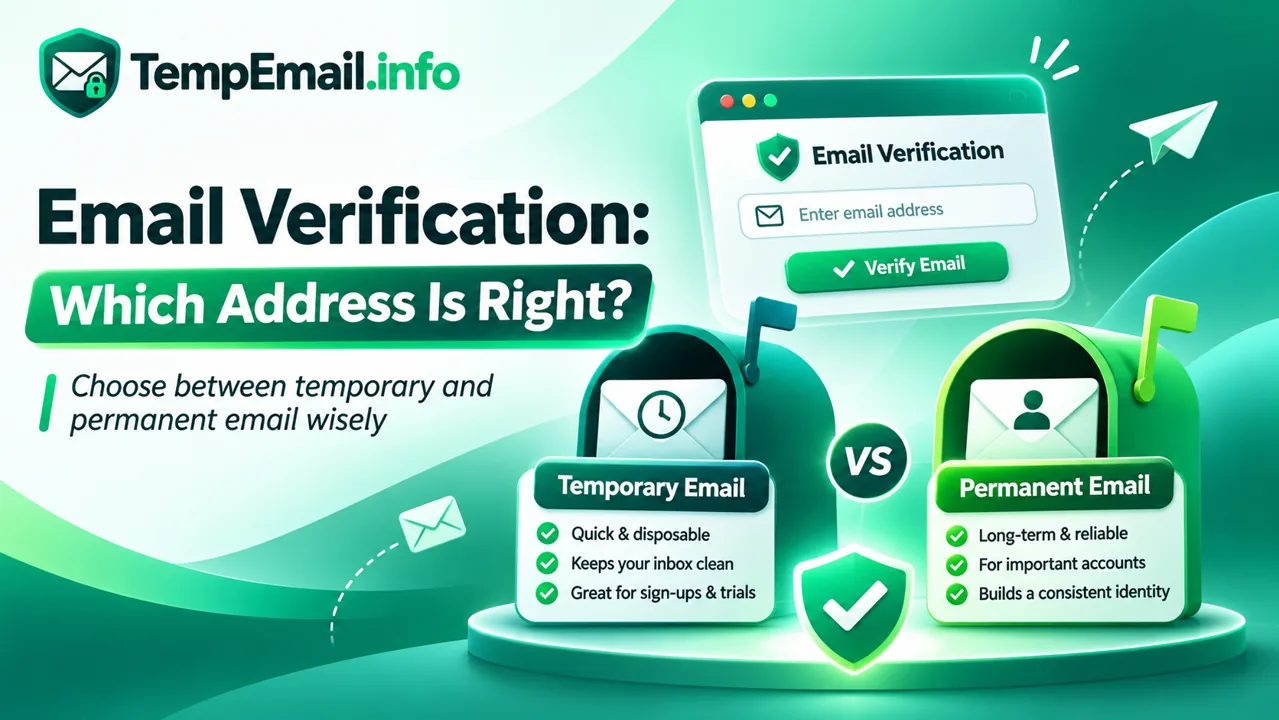
Email verification: which address is right for which account?
A practical way to choose between permanent, secondary and temporary email when websites send confirmation codes and account-security messages.
Read article →EMAIL PRIVACY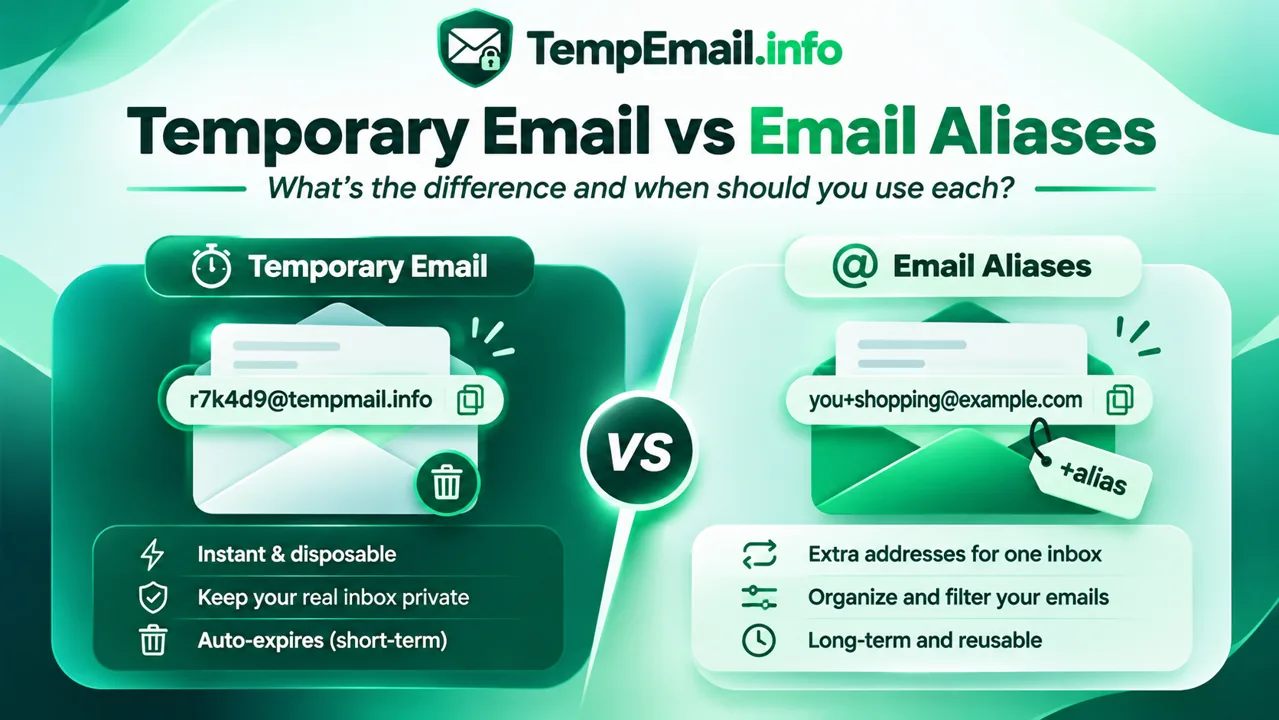
Email aliases versus temporary inboxes
Compare long-lived aliases with short-term mailboxes and choose the right tool.
Read article →EMAIL PRIVACY
How to protect your primary email address
Build a simple address-sharing policy for everyday online activities.
Read article →EMAIL SAFETY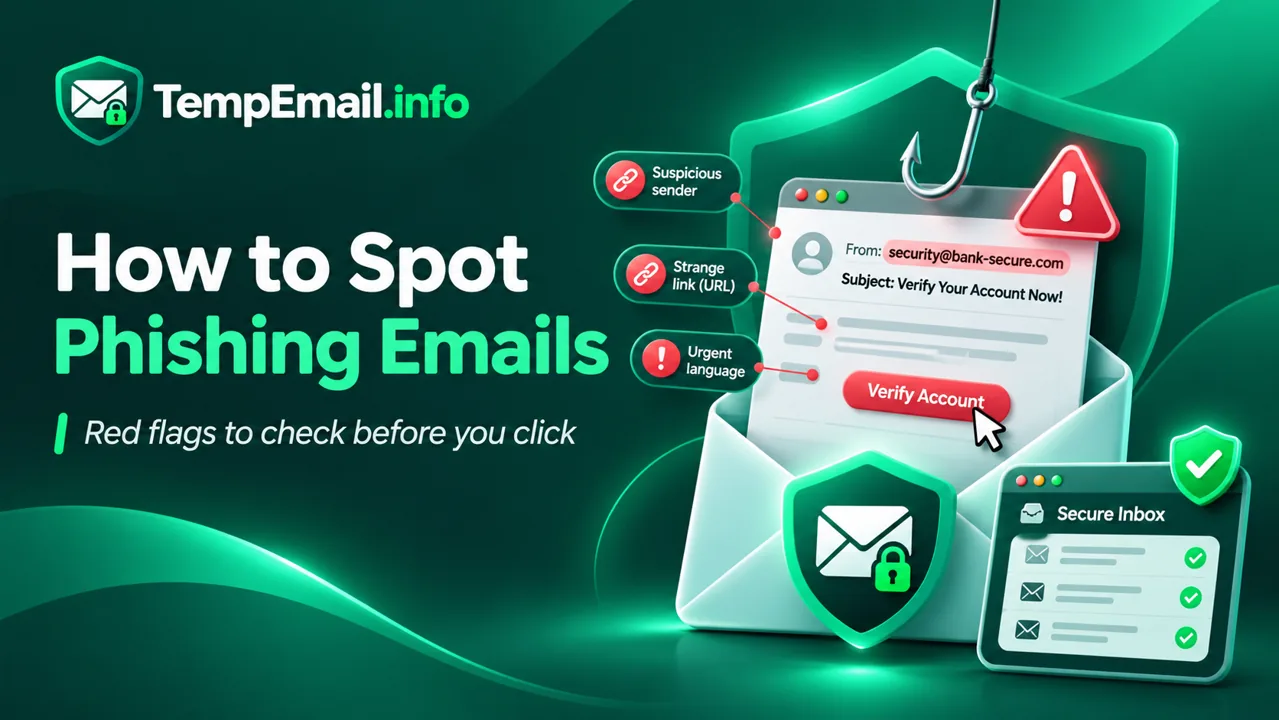
How to recognize a phishing email
Learn the warning signs of fraudulent email without relying on a single clue.
Read article →ACCOUNT SAFETY
Keeping email verification codes safe
Understand one-time codes, expiration, and why they should never be shared.
Read article →EMAIL HYGIENE
Managing newsletter subscriptions without clutter
Keep useful reading separate from everyday messages.
Read article →SHOPPING
Choosing an email address for online shopping
Separate receipts and promotions while keeping order updates accessible.
Read article →DEVELOPERS
A practical email-delivery testing checklist
Test non-sensitive transactional messages without mixing them into personal mail.
Read article →DEVELOPERS
SPF, DKIM and DMARC explained simply
Understand the three DNS controls that help receivers assess email authenticity.
Read article →DELIVERABILITY
Why legitimate emails land in spam
Diagnose common filtering causes without assuming every rejection is a bug.
Read article →EMAIL PRIVACY
Email forwarding and privacy trade-offs
Learn what forwarding changes about message access and reliability.
Read article →GETTING STARTED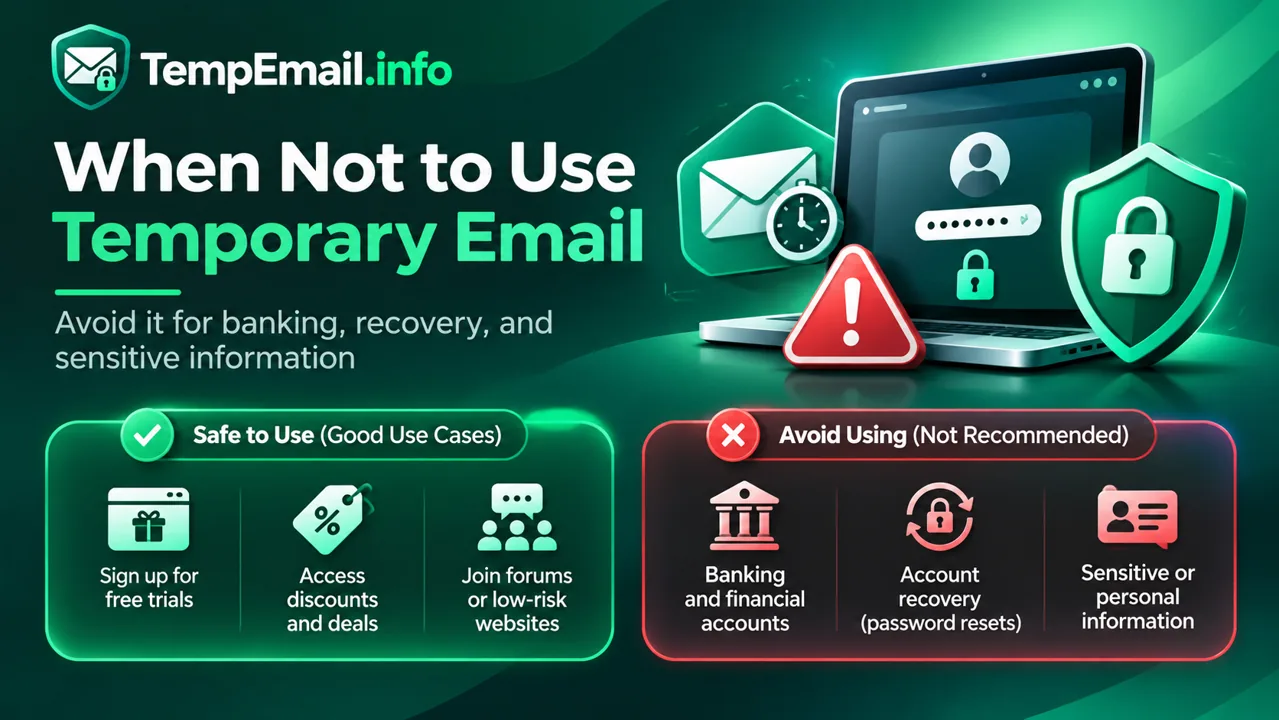
Seven limitations of disposable email
Know the trade-offs before trusting a temporary mailbox.
Read article →EMAIL SAFETY
How to report spam and suspicious messages
Use provider reporting tools and preserve evidence when appropriate.
Read article →ACCOUNT SAFETY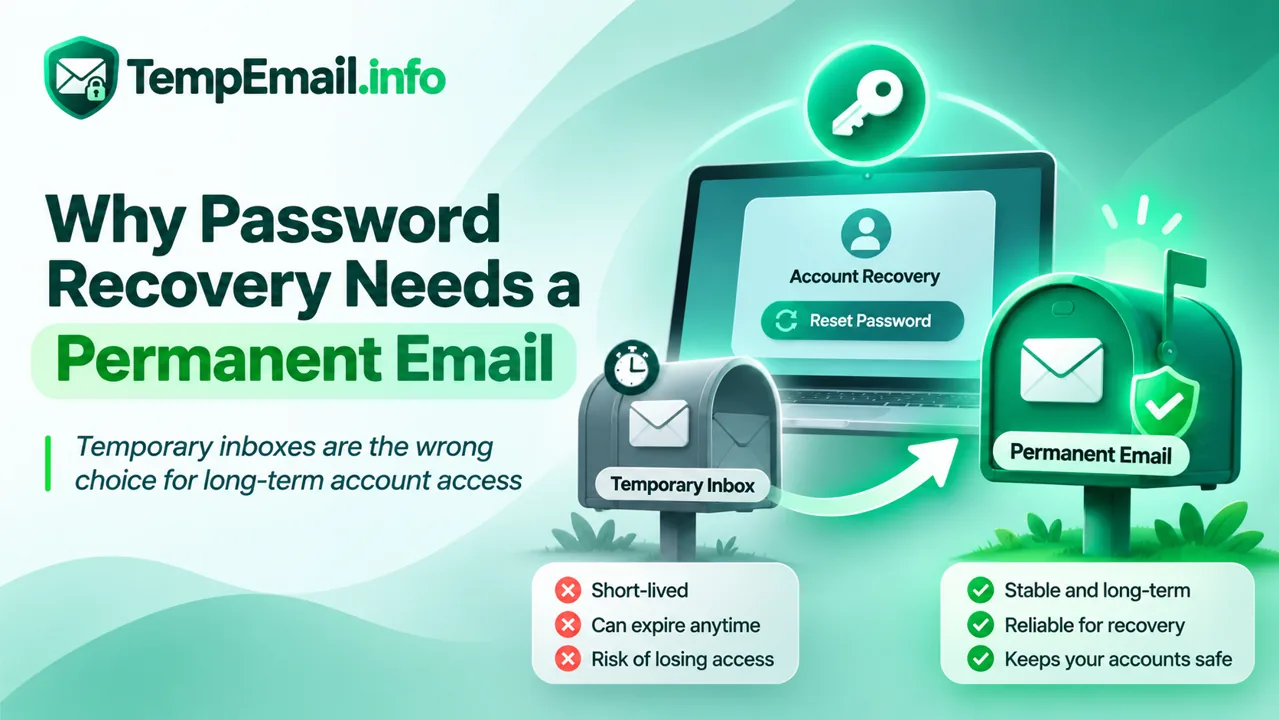
Safer password-reset emails and recovery
Keep recovery messages private, reliable, and easy to verify.
Read article →EMAIL PRIVACY
What email metadata reveals
Understand headers, timestamps, and routing details beyond the message body.
Read article →DELIVERABILITY
Understanding bounced emails
Tell temporary delivery failures from permanent address problems.
Read article →EMAIL HYGIENE
How to organize multiple email addresses
Use a simple map of accounts, aliases, and recovery paths.
Read article →EMAIL SAFETY
Common email scams and how to respond
Recognize invoice fraud, fake support, and delivery-message impersonation.
Read article →GETTING STARTED
Public versus private temporary inboxes
Understand mailbox visibility and choose the safer option.
Read article →EMAIL PRIVACY
A 15-minute email privacy checkup
A short routine to improve email account safety and reduce unwanted messages.
Read article →EMAIL FORENSICS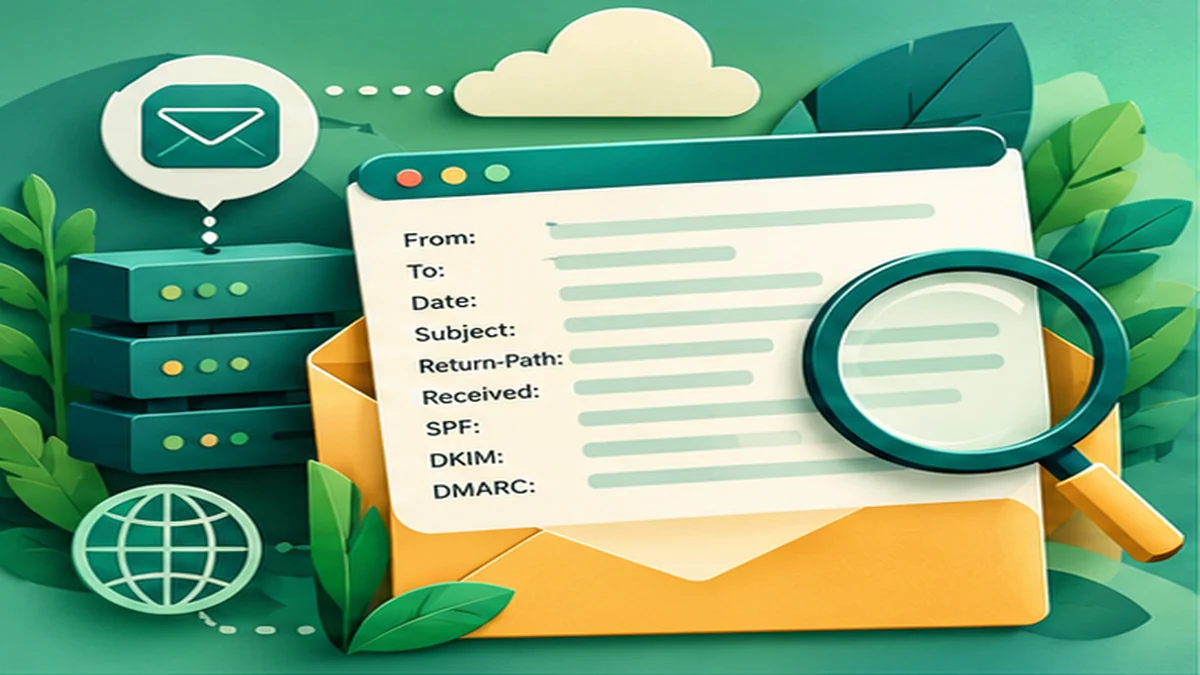
How to read email headers without getting lost
A practical, annotated walkthrough of From, Return-Path, Received, SPF, DKIM and DMARC—and what each field can and cannot prove.
Read article →DELIVERY TROUBLESHOOTING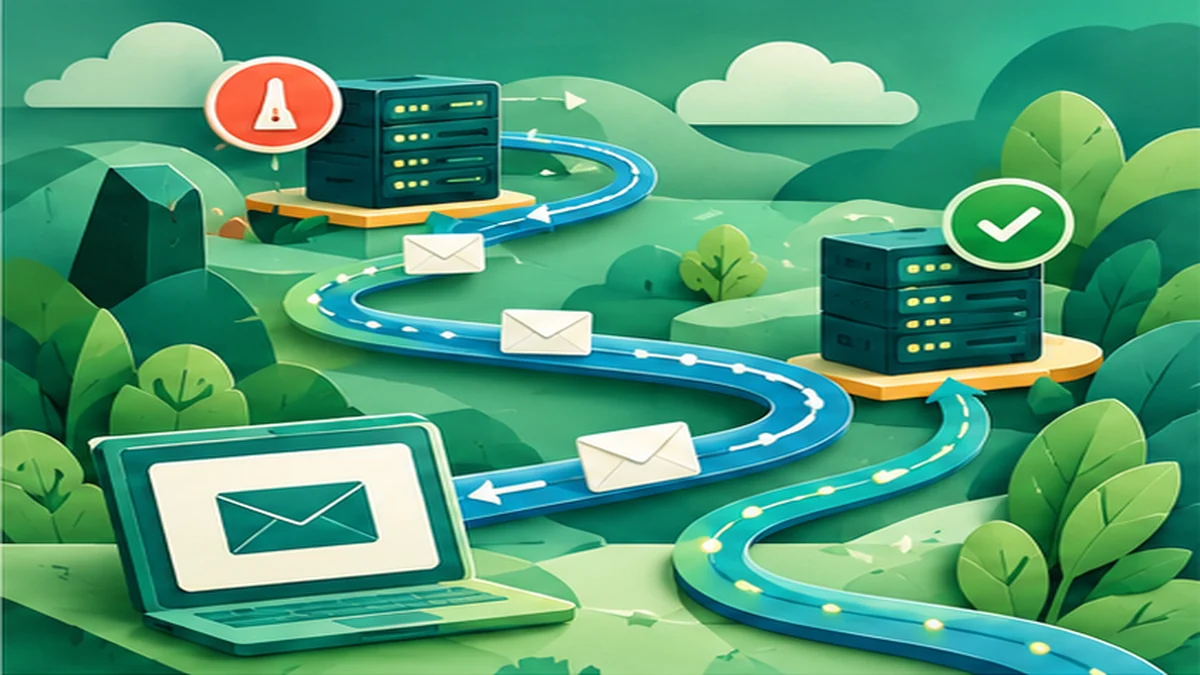
Where did the email go? A step-by-step delivery diagnosis
Follow a real troubleshooting sequence to separate sending failures, spam filtering, wrong recipients and temporary inbox expiry.
Read article →ACCOUNT SECURITY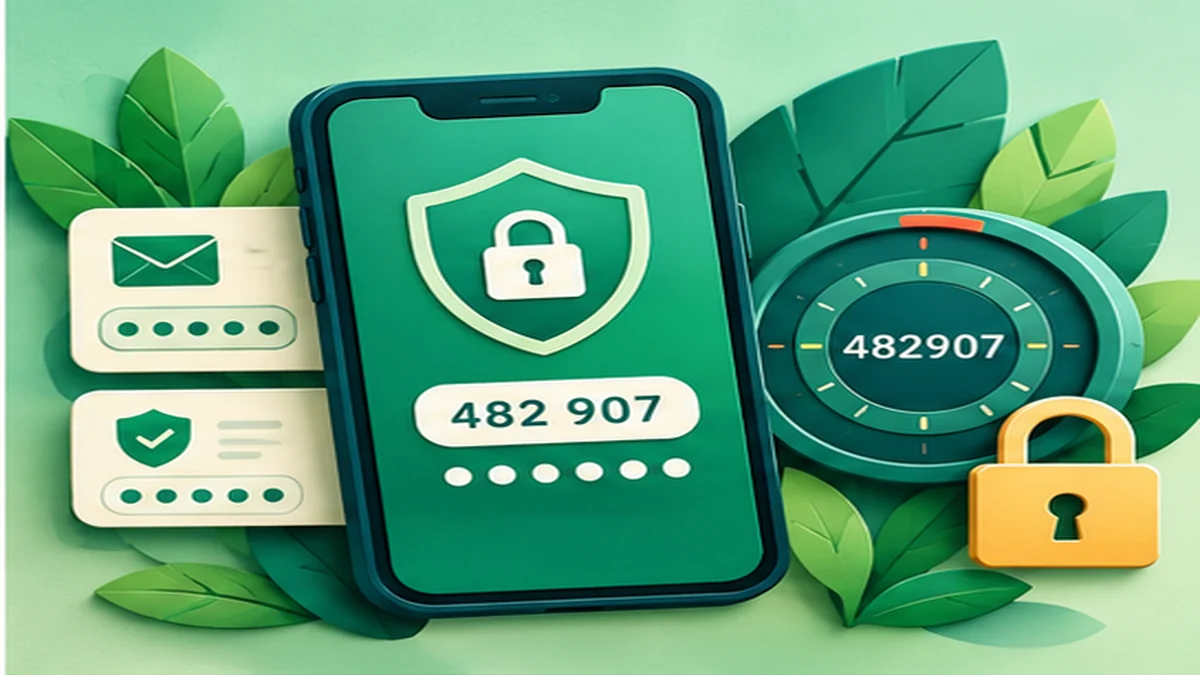
Email codes, authenticator apps and passkeys: what changes?
Compare common sign-in verification methods with concrete scenarios, trade-offs and a safe recovery plan.
Read article →EMAIL PRIVACY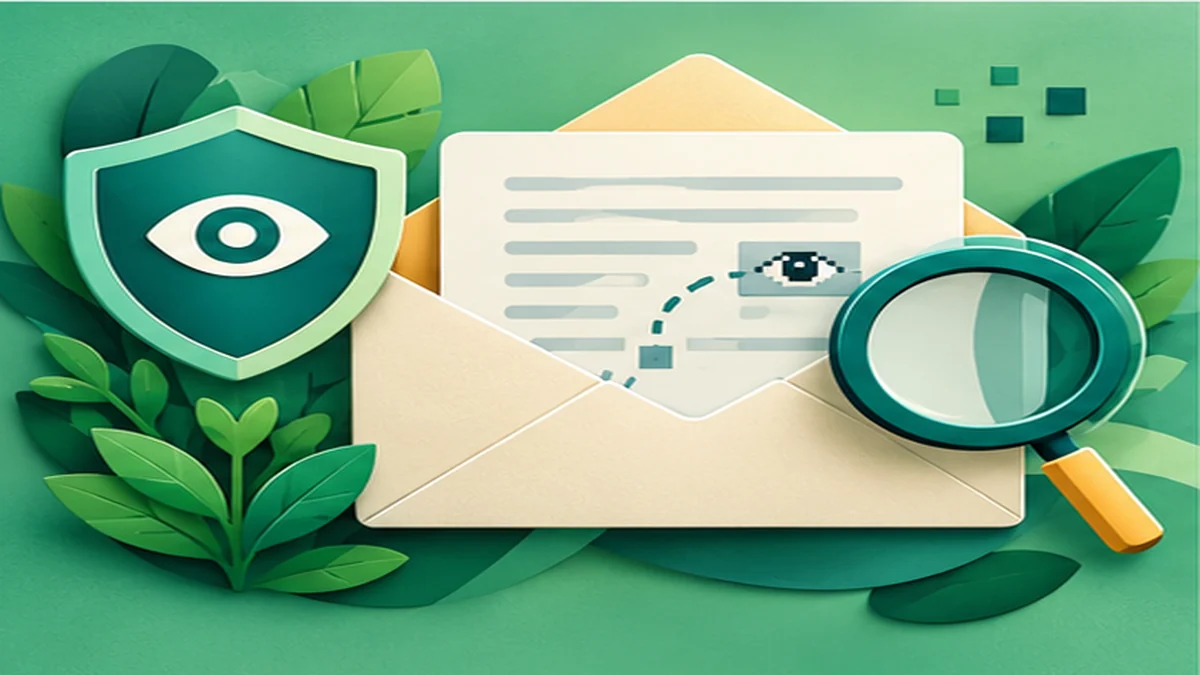
What email tracking pixels can reveal—and what they cannot
Learn how invisible images, tracked links and remote content work, plus privacy settings and realistic limitations.
Read article →DEVICE SECURITY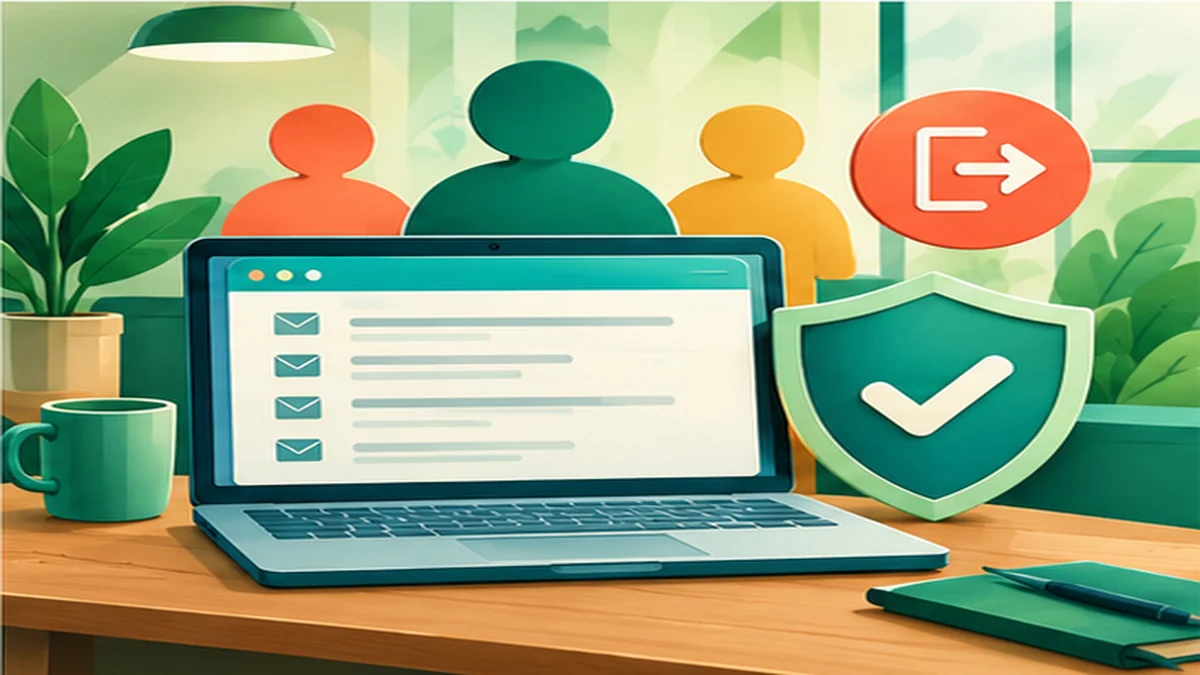
Checking email on a shared computer: a safe exit checklist
Practical steps for libraries, classrooms and shared office PCs—before signing in, while using email, and when leaving.
Read article →DATA LIFECYCLE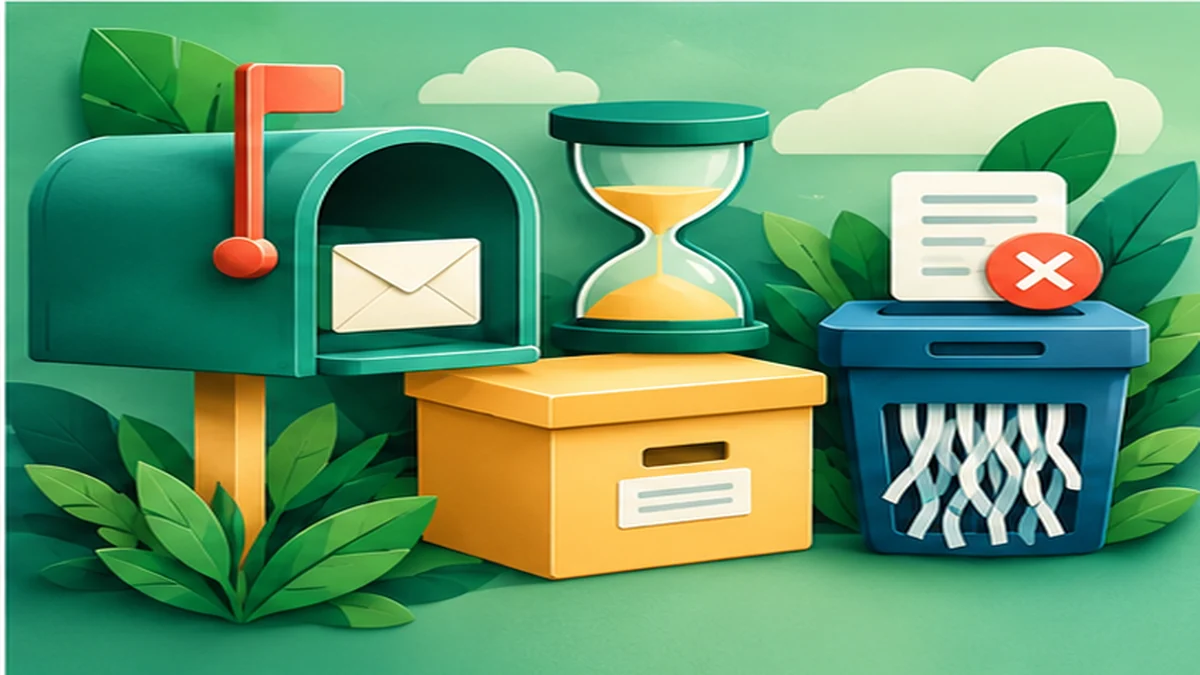
Delete, archive or let expire? Understanding email retention
Understand mailbox folders, backups, temporary inbox expiry and the limits of deleting a message—with a simple retention plan.
Read article →About these guides
These articles are educational and are not a substitute for your email provider's security guidance. Temporary mailboxes are for non-sensitive, short-lived tasks; important accounts should use a private permanent address.